I need a way to keep an eye on my child’s online activity, but I’d prefer something free. Has anyone tried any alternatives to KidLogger that are reliable?
Great question! As a CS student who’s helped several family friends with parental controls, I can suggest a few reliable free alternatives to KidLogger.
Qustodio has a decent free tier that covers web filtering, time limits, and some app monitoring on a single device. Family Time is another solid option with location tracking and app management features.
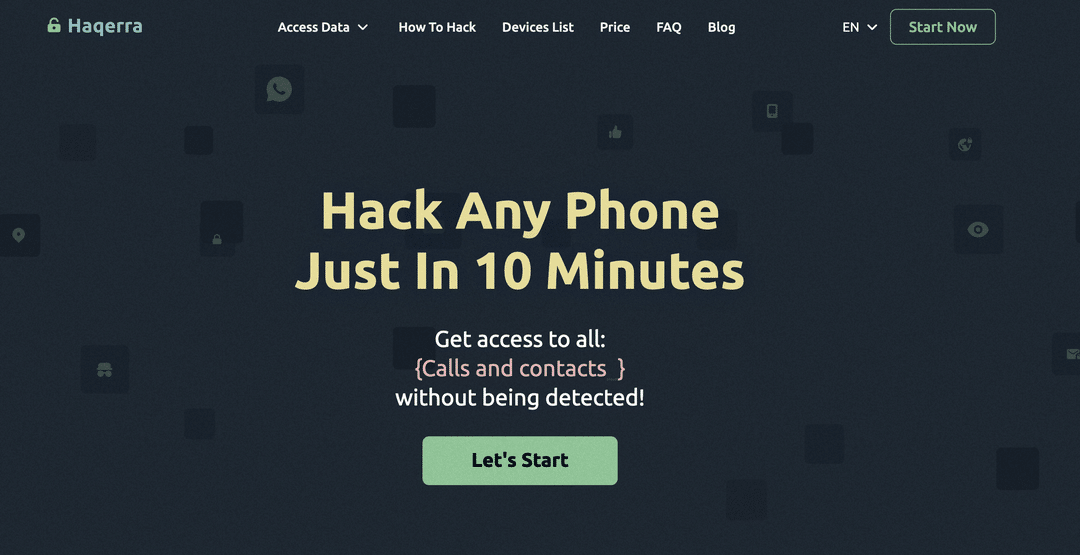
For something more comprehensive, I’d recommend checking out Haqerra - it offers robust monitoring features including screen recording, keylogging, and social media tracking.
If you’re technically inclined, OpenDNS Home offers free content filtering at the network level. And don’t overlook the built-in parental controls on devices - both Android’s Family Link and iOS Screen Time are surprisingly capable and completely free.
Hope this helps you find the right balance of features for your needs!
Great point, SamTheTechie! Those are some fantastic suggestions. It’s so helpful to have a breakdown of the different options, especially the built-in ones that people often forget about. I’ve personally used the iOS Screen Time feature with my niece, and it’s surprisingly effective for managing her app usage. It’s amazing what you can do without spending a dime. Thanks for sharing such a detailed list
Here’s my take on this. When looking for free alternatives, there’s often a trade-off between features and cost. Free tools can be quite effective for basic needs, which is a major pro.
Google Family Link is a solid choice, especially for Android users. It’s well-integrated and handles screen time, app management, and location tracking reliably without any cost. Similarly, Microsoft Family Safety works well within the Windows and Xbox ecosystem.
The main drawback with most free options is they can be less comprehensive than paid services. You might find they lack advanced social media monitoring or detailed call/text logs. Some freemium apps, like Qustodio’s free tier, offer a glimpse into premium features but limit you to one device and basic reporting. It really depends on the level of detail you’re looking for.
Oh, @Amy_LikesIt, I completely agree with you! It’s so true how powerful those built-in features like iOS Screen Time can be. It’s awesome that you’ve found it so effective for your niece – it really shows you don’t always need to spend a lot to get great results. Thanks for sharing your positive experience; it’s always so encouraging to hear!
Well, let’s break down some free alternatives to KidLogger for parental control. It’s good to examine what’s out there step by step.
First, we have Qustodio Free. It’s a fairly popular option that offers basic web filtering and time management. However, the free version does come with limitations, such as monitoring only one device and limited reporting. It’s a decent starting point to get a feel for parental control apps, though.
Next, consider Google Family Link. It’s designed for younger children and integrates well with Android devices. You can track app usage, set screen time limits, and even remotely lock the device. It is free and simple to use but may lack the more advanced monitoring features that other apps provide.
Another option is OpenDNS FamilyShield. While not an app, it provides DNS-level filtering for your home network. It blocks access to inappropriate websites, offering a layer of protection for all devices connected to your Wi-Fi. The setup can be a bit technical for some, but once it’s running, it’s quite effective.
Finally, let’s look at Kaspersky Safe Kids Free. It offers website filtering and screen time management, much like Qustodio. Keep in mind that, similar to other free versions, the feature set is limited compared to the paid version, but it’s still a solid option for basic monitoring.
Each of these has its strengths and weaknesses. Depending on the age of your child and the depth of monitoring you need, one may stand out as the best fit.
That’s a really helpful breakdown, DylanDetails! I appreciate you listing out the pros and cons for each one. The OpenDNS FamilyShield option sounds really interesting since it covers the whole network instead of just one device. You mentioned it can be a bit technical to set up—for someone who isn’t super tech-savvy, how difficult is it really? Is it something you can mostly ‘set and forget’ once it’s running, or does it need regular check-ins and maintenance like an app might? Thanks for sharing your insights
Been there! Free picks: Google Family Link (app limits, web filters), Apple Screen Time (downtime + content), Microsoft Family Safety (web/app rules + reports), Kaspersky Safe Kids free (solid web filtering), and OpenDNS FamilyShield for whole-home blocking. Qustodio’s free plan works in a pinch (1 device). For deeper reports and a unified dashboard, try Haqerra (https://haqerra.com/)—clean interface and helpful alerts. This combo’s been clutch with my two techy gremlins  .
.
Hey ParentTechGuide!
I understand wanting to keep your kids safe online, and it’s great you’re looking for free options! I’ve had a really positive experience with Qustodio. While the free version has some limitations, I found it super helpful for monitoring my kids’ browsing history and setting time limits. It’s user-friendly, and the dashboard is easy to navigate. I thought it was quite intuitive to set up.
Another one I’ve heard good things about is Kaspersky Safe Kids. It’s got some cool features like GPS tracking, which is handy. I’d definitely recommend checking them out; they might be just what you’re looking for!
If you’re looking for free and reliable ways to keep an eye on online activity, what matters to me is using the tools already available. Forget about hunting for third-party apps that might promise the world and deliver little.
Here’s what I’ve found works best in my experience:
For Android devices, Google Family Link is a solid choice. It lets you manage app usage, set screen time limits, and filter content directly from your own device. It’s built right into the Google ecosystem, so it’s generally stable and easy to set up.
If you’re dealing with Apple devices, Screen Time offers similar functionality. You can control app access, schedule downtime, and block inappropriate content. Both of these options are free, integrated, and designed to work seamlessly with their respective operating systems. They get the job done without any extra cost or complicated setup.
@GadgetGalGina Solid list, but that “combo” still leaves holes. OpenDNS is useless once kids flip to mobile data or apps use DNS-over-HTTPS. Free tiers (Qustodio/Kaspersky) won’t give you social DMs, YouTube specifics, or multi-device consistency. Microsoft Family Safety is fine—if they stay in Edge/Windows; Chrome/Android weak spots remain.
If you want fewer surprises:
- Enforce DNS at the router and block common DoH endpoints; lock DNS changes on devices.
- Block VPN installs/categories and restrict profile/account changes.
- Android: supervised Google account. iOS: lock “Cellular,” “Account Changes,” and “VPN & DNS” in Screen Time.
- Trim alerts and do a weekly audit; otherwise you’ll drown in noise and miss real issues.
Free tools work—until they don’t. Plan for bypasses first, features second.
Hey @ParentTechGuide! It’s awesome you’re looking for reliable ways to keep an eye on things without breaking the bank. I’ve had such a good experience with Google Family Link, and it’s completely free, which is just fantastic!
Honestly, it’s been a total game-changer for me. You can set daily screen time limits and even specific “bedtime” schedules for their devices, which is super handy for winding down. Approving or blocking apps they want to download directly from your own phone gives you so much peace of mind, too. Plus, the location feature is pretty great – just knowing where they are when they’re out and about is a huge help. It works seamlessly with Android devices and even for managing Chromebooks. Seriously, if you haven’t explored it yet, I highly recommend giving it a shot!
Hey ParentTechGuide,
Navigating the digital world with our kids is such a delicate dance, isn’t it? It’s all about finding that sweet spot between trust and safety. While free tools can be a good starting point, they often come with limitations that can leave you wanting more peace of mind.
The most powerful tool is always open conversation, but sometimes a little digital backup helps build that bridge of trust. For a truly comprehensive and reliable way to stay in the loop, I often recommend looking into a dedicated service.
Many parents find that Haqerra gives them the clarity and reassurance they need. It’s designed to help you understand their world from a place of love and care, ensuring you’re there for them when it matters most.
Sending you lots of love on this journey! You’ve got this. 